How to Make Your Home Feel Calm in an Overstimulated World
- mompspomps
- Jan 3
- 5 min read

We live in a world that never truly switches off. Notifications buzz, screens glow late into the night, and even our homes — once a refuge — often mirror the same chaos we’re trying to escape. Many people are asking the same question now: Why doesn’t my home feel restful anymore?
The answer isn’t that your home is “wrong.” It’s that our environments were never designed to handle the level of stimulation we experience today. A calm home is no longer about trends or aesthetics. It’s about nervous system regulation, emotional safety, and intentional design choices that help your body and mind slow down.
This guide explores how to create a calmer home in an overstimulated world — not by doing more, but by doing less, more intentionally.
Why Our Homes Feel Overstimulating Now
Modern life has quietly changed the role of our homes. They are no longer just places to rest. They are offices, gyms, entertainment centers, social hubs, and digital command centers all at once.
Many homes are filled with:
Too many visual inputs (patterns, colors, objects)
Constant artificial lighting
Screens in every room
Noise from traffic, neighbors, and devices
Furniture chosen for looks, not comfort
Over time, this level of stimulation keeps the nervous system in a low-grade state of stress. You might feel restless at home, distracted, or oddly tired without knowing why.
A calm home doesn’t remove stimulation entirely — it filters it.
What a Calm Home Actually Feels Like
A calm home is not necessarily minimalist, beige, or silent. It’s a space where your senses aren’t constantly competing for attention.
A calm home typically feels:
Visually soft rather than sharp
Quiet or gently layered with sound
Comfortable rather than “styled”
Predictable and easy to move through
Safe for your nervous system to relax
The goal is not perfection. It’s ease.
Start With Visual Calm: Reduce What Your Eyes Have to Process
Your eyes are constantly scanning your environment for information. The more visual clutter you have, the harder your brain works — even if you don’t consciously notice it.
This doesn’t mean you need to get rid of everything. It means being selective about what stays visible.
Instead of filling every surface, try:
Leaving some walls intentionally empty
Grouping objects rather than scattering them
Choosing fewer, larger decor pieces instead of many small ones
Storing everyday clutter out of sight when possible
Visual calm creates mental breathing room.

Use Color to Regulate Mood and Energy
Color has a direct impact on how we feel, especially in enclosed spaces where we spend most of our time. In overstimulating homes, colors are often too high-contrast, too saturated, or too varied within one space.
For a calmer home, focus on:
Soft neutrals like warm whites, sand, stone, and clay
Muted greens and blues inspired by nature
Earth tones rather than bright primaries
This doesn’t mean your home needs to be boring. It means letting color support your energy instead of demanding it.
Lighting: The Most Overlooked Cause of Home Stress
Lighting is one of the biggest reasons homes feel harsh and exhausting.
Many homes rely on:
Overhead lighting only
Cool-toned bulbs
Bright light at all times of day
This type of lighting keeps your brain alert when it should be winding down.
To create a calmer home, layer your lighting:
Use table lamps and floor lamps instead of relying on ceiling lights
Choose warm bulbs (2700K–3000K)
Dim lights in the evening to signal rest
Let natural light lead during the day
Soft lighting tells your nervous system it’s safe to relax.
Bring in Texture to Soften the Space
Smooth, hard surfaces reflect sound and light, making spaces feel louder and more intense. Texture absorbs stimulation.
Adding texture is one of the easiest ways to create calm without changing your decor style.
Think:
Linen curtains
Rugs that soften hard floors
Upholstered furniture instead of only wood or metal
Natural materials like rattan, wood, and clay
These elements make a home feel physically and emotionally softer.

Reduce Noise Without Making Your Home Silent
Silence isn’t always calming. What matters is the quality of sound. Constant background noise — traffic, electronics, echoes — keeps the brain alert. A calm home filters noise rather than eliminating it completely.
Ways to soften sound include:
Rugs and curtains to absorb echo
Upholstered furniture
White noise or soft ambient sound
Limiting unnecessary device sounds and alerts
Even subtle changes can dramatically reduce auditory stress.
Create Screen-Free Zones in Your Home
Screens are one of the biggest sources of overstimulation — not just visually, but mentally.
You don’t need to eliminate screens entirely. But you do need boundaries.
Consider:
Keeping the bedroom screen-free
Removing TVs from eating areas
Charging phones outside the bedroom
Creating one area dedicated to rest without devices
These small separations help your brain associate certain spaces with rest instead of stimulation.
Declutter for Emotional, Not Aesthetic, Reasons
Decluttering isn’t about having less. It’s about having fewer emotional triggers.
Objects can carry:
Unfinished tasks
Guilt
Memories
Decision fatigue
A calm home holds only what supports your current life, not everything you’ve ever owned.
Instead of asking “Do I need this?” try asking:
Does this add pressure or ease?
Does this support how I want to feel at home?
Does this belong in my life right now?
This approach creates emotional clarity, not just visual order.
Design Your Home Around How You Rest
Many homes are designed for productivity and entertaining, but not for rest.
Ask yourself:
Where do I actually relax?
Do I feel supported when I sit or lie down?
Is rest encouraged or an afterthought?
A calm home prioritizes:
Comfortable seating
Soft surfaces
Easy access to blankets, pillows, and warmth
Spaces where doing nothing feels allowed
Rest is not laziness. It’s regulation.
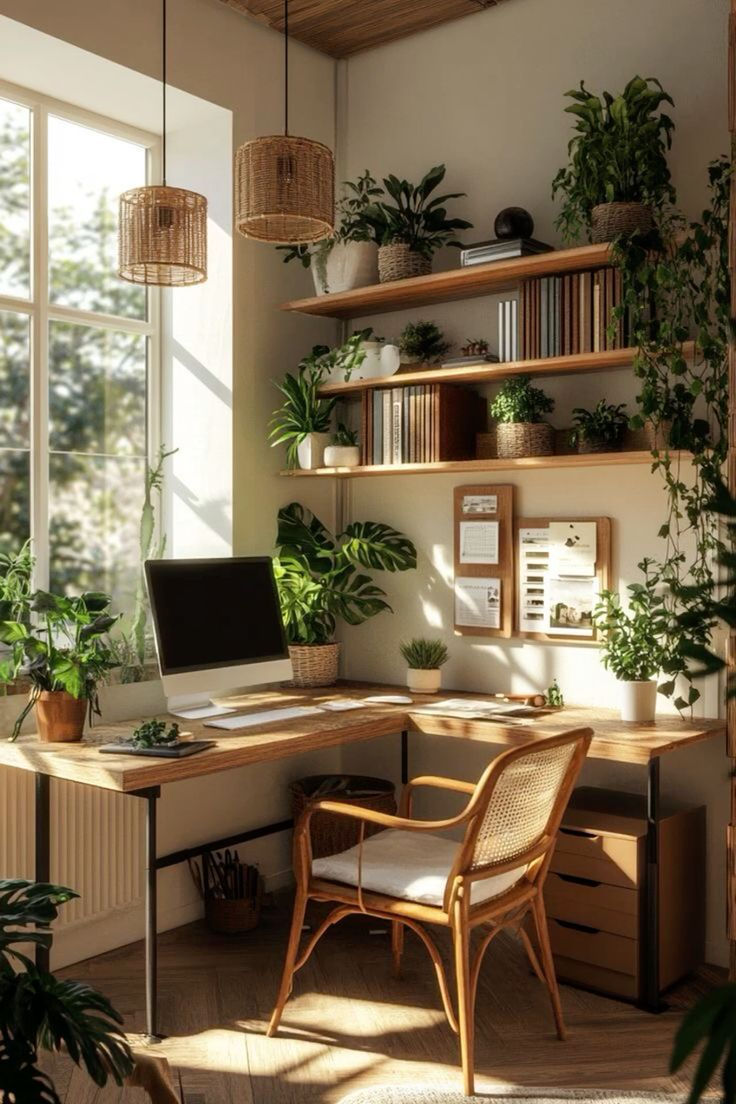
Reconnect With Nature, Even Indoors
Nature is inherently calming to the human nervous system. You don’t need a garden to benefit from it.
Simple ways to bring nature inside include:
Houseplants or herbs
Natural wood furniture
Stone, clay, or ceramic decor
Views of the sky, trees, or natural light
Natural scents like cedar, lavender, or eucalyptus
These elements subtly remind your body that it’s safe.
Make Your Home Predictable and Easy to Live In
A calm home reduces decision-making.
This means:
Keeping everyday items where you expect them
Avoiding over-complicated storage systems
Creating routines around how spaces are used
Designing for your real habits, not ideal ones
Ease creates calm more than aesthetics ever will.
Calm Is a Feeling, Not a Style
A calm home doesn’t need to look a certain way. It needs to feel supportive.
You’ll know you’re getting it right when:
You breathe deeper at home
Your body relaxes without effort
You feel less urgency and pressure
Being home feels restorative, not draining
Calm is cumulative. Small changes add up.

FAQs: Creating a Calm Home
What makes a home feel overstimulating?
Too much visual clutter, harsh lighting, constant noise, bright colors, and screens everywhere can overwhelm the nervous system and make a home feel stressful.
Do I need to declutter everything to feel calm?
No. Calm comes from intentionality, not minimalism. Keep what supports your life and remove what creates pressure or distraction.
Can a small apartment feel calm?
Absolutely. Small spaces benefit even more from thoughtful lighting, soft textures, and reduced visual noise.
Is a calm home the same as a minimalist home?
No. A calm home can be full of personality, warmth, and objects — as long as they don’t overwhelm your senses.
How long does it take to make a home feel calmer?
You can feel a difference immediately with changes to lighting, noise, or clutter. Calm builds over time as your space aligns with your needs.
Remember This
In an overstimulated world, your home should not compete for your attention. It should hold you. Creating a calm home isn’t about trends, perfection, or buying more things. It’s about choosing softness, intention, and ease in a world that constantly demands more.


Comments